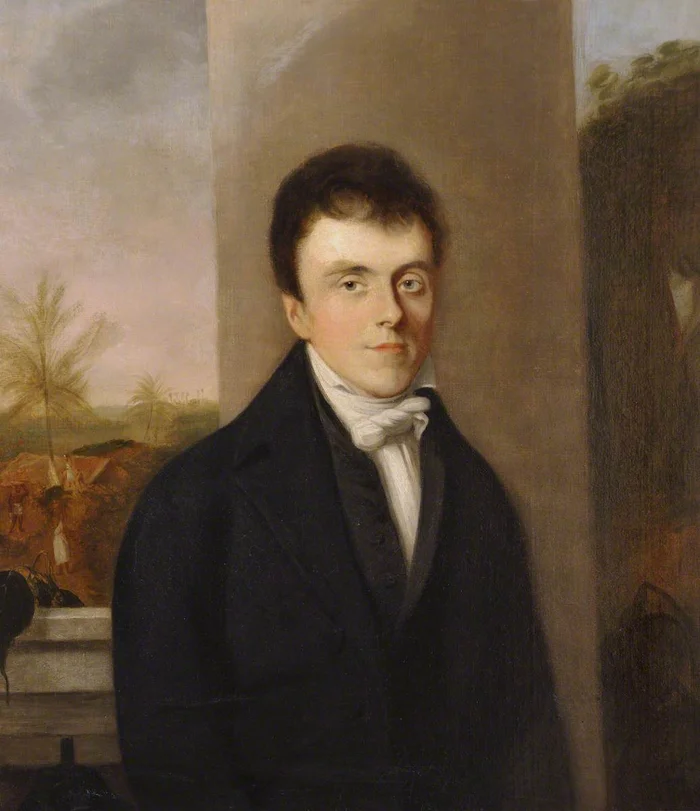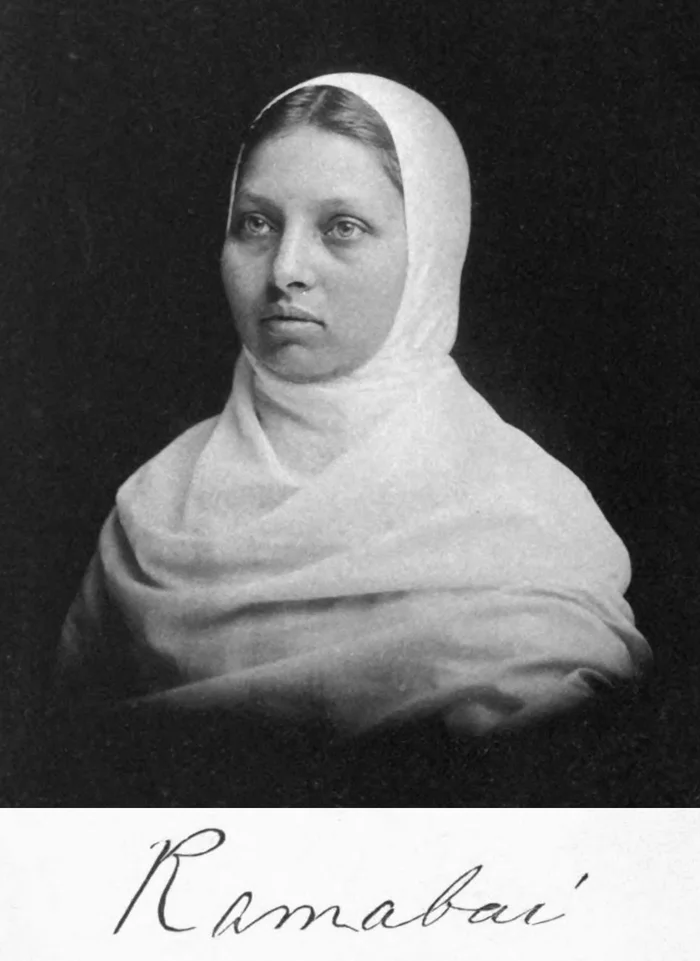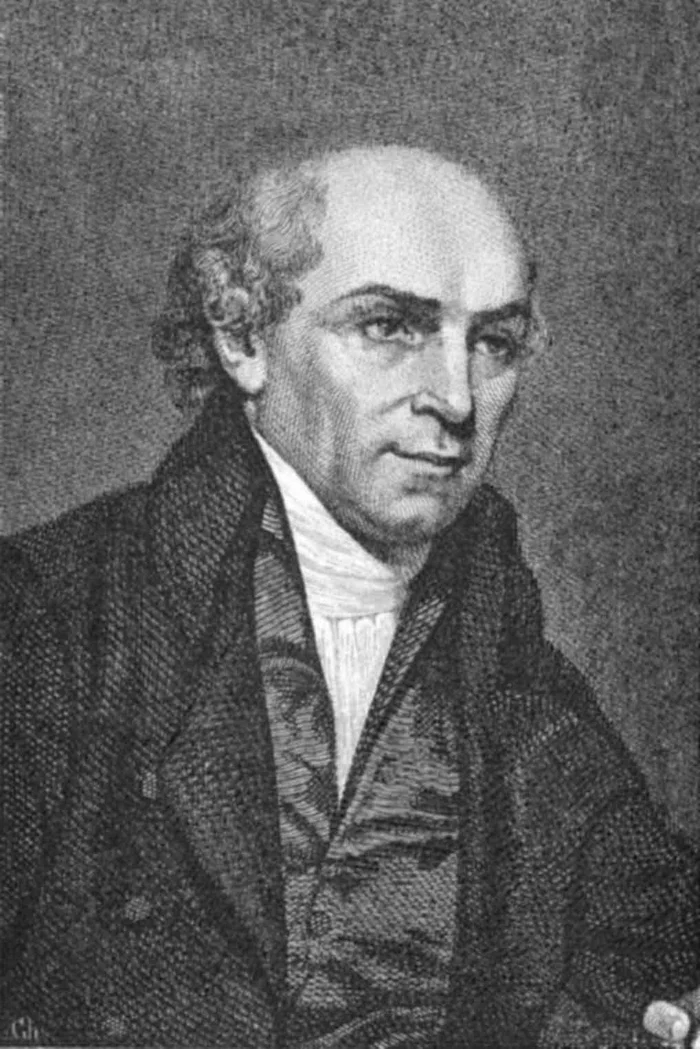
The English cobbler who became the "father of modern missions" — and translated the Scriptures into more than 40 Indian languages.
Few lives illustrate the power of perseverance as well as William Carey's. Born in 1761 in an obscure English village, with little formal education, he became a cobbler's apprentice — and it was in that humble trade that he began, on his own, to learn Greek so he could read the New Testament in the original. When, still a young Baptist pastor, he announced his calling to foreign missions, a more experienced minister publicly cut him off: "Sit down, young man! When it pleases God to convert the heathen, he will do it without consulting you or me." Carey did not sit down.
In 1793, at age 32, Carey sailed for India with his wife Dorothy and the couple's three children. The first years were almost constant suffering: extreme poverty, illness, the death of one of the children from dysentery, and the collapse of Dorothy's mental health. Even in what he himself called "the valley of the shadow of death," he summed up his faith in a simple sentence: "I have God, and his promise is sure."
Carey learned Bengali and began translating the Bible and preaching to small groups, but the first convert wouldn't come until December 1800 — seven years after his arrival. From then on, alongside William Ward and the couple Joshua and Hannah Marshman, he formed what became known as the "Serampore Trio." Together, in 1818, they founded Serampore College, today a fully operating university.
Over four decades of uninterrupted ministry in India, Carey and his colleagues translated the Bible, in whole or in part, into dozens of Indian languages — an unprecedented feat in the history of Christian missions. He also engaged in social reform, including the fight against infanticide and against sati, the practice of widows immolating themselves on their husband's funeral pyre. His influence reached missionaries who came after him, such as Adoniram Judson (Myanmar), Hudson Taylor (China), and David Livingstone (Africa) — a chain of callings that, two centuries later, continues to inspire those who, like this project, are also translating the Scriptures into languages that still don't have them.