Records, inventions, and facts that go beyond what's usually taught about the country.
The use of zero as a number — not just as an empty placeholder — was developed by Indian mathematicians, with formal documentation attributed to Brahmagupta in the 7th century. The decimal system we use today, with ten digits including zero, has Indian roots and reached the West via Arab mathematicians — which is why it's still called, to this day, the "Hindu-Arabic" numeral system.
A board game called chaturanga, played in India around the 6th century, is widely considered the direct ancestor of modern chess — the name refers to the four divisions of an ancient army: infantry, cavalry, elephants, and chariots, which gave rise to today's pawns, knights, bishops, and rooks.
The Indian census records more than 19,500 distinct mother tongues and dialects, with 22 officially recognized by the Constitution. It's not unusual for a single Indian state to have more linguistic diversity than an entire continent elsewhere in the world.
India's film industry — which includes Bollywood (Hindi-language cinema) and several other regional industries in Tamil, Telugu, Bengali, and other languages — produces, combined, more films per year than any other country in the world, including the United States.
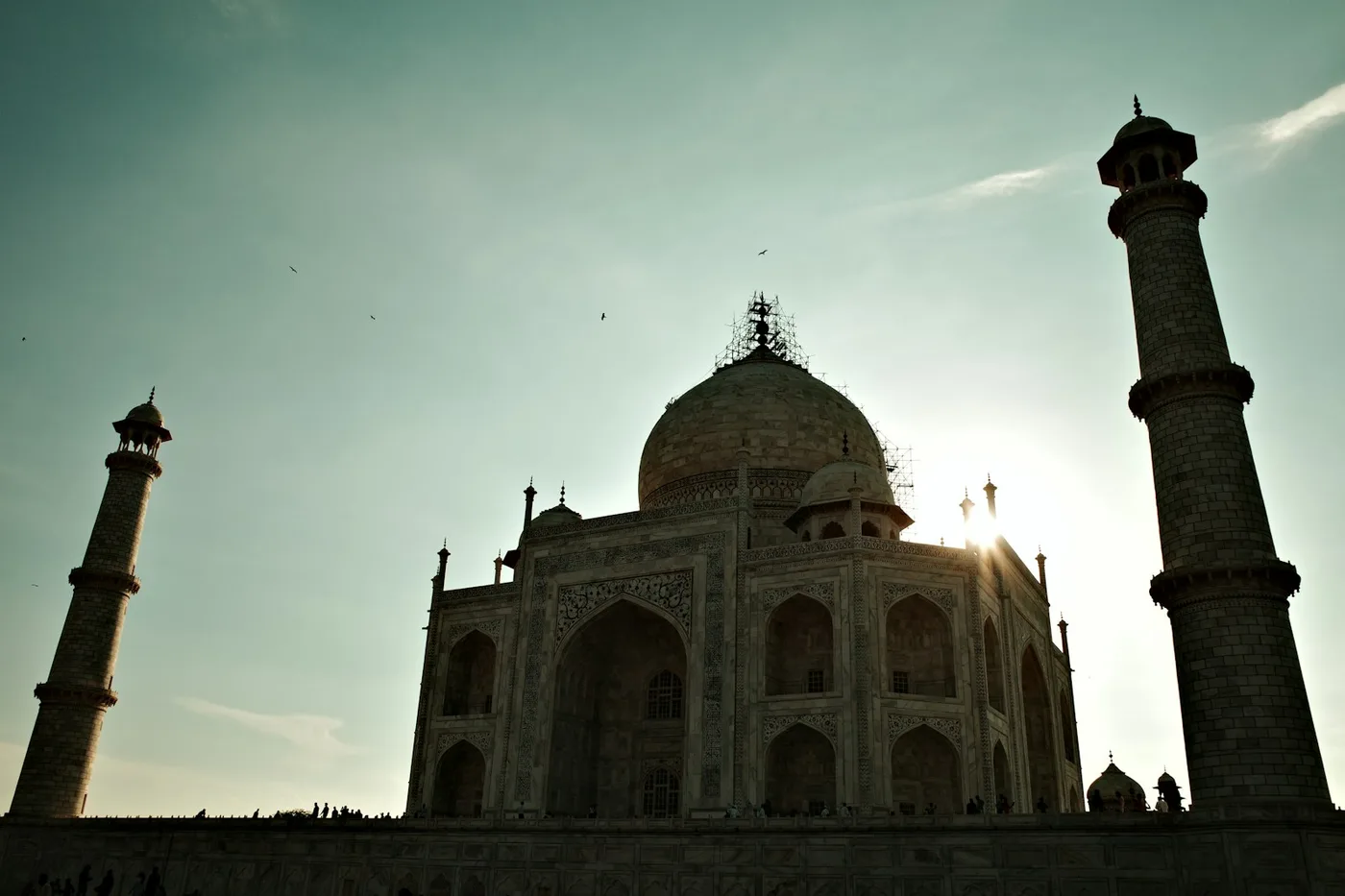
One of the most photographed monuments in the world wasn't built as a royal residence, but as a mausoleum: Mughal emperor Shah Jahan had it built in the 17th century in memory of his wife, Mumtaz Mahal, who died giving birth to the couple's fourteenth child.
Indian Railways is one of the largest rail operators on the planet by passenger volume, carrying tens of millions of people every day — a direct reflection of the country's population scale and the long distances separating its regions.
With more than 164,000 post offices, India Post is officially the largest postal network on the planet — nearly 90% of them in rural areas, often the only formal public service presence in small, isolated villages. On average, each post office serves an area of just over 21 km² and around 7,000 people.
The town of Mawsynram, in the state of Meghalaya in the northeast of the country, holds the Guinness World Record for the highest average annual rainfall in the world — about 11,871 mm per year, more than ten times the annual average of rainy cities like London. Nearby Cherrapunji, just 15 km away, still holds the record for the greatest volume of rain ever recorded in a single year anywhere on the planet: more than 26 meters of water between August 1860 and July 1861, a record that has stood for more than 160 years.
Perhaps the most important fact is this one: any claim "about India" tends to be true in some regions and completely different in others. Between the ice of the Himalayas and Meghalaya's record rainfall, between 19,500 recorded languages and a single numeral system that changed the world's mathematics, India resists easy generalizations — and that's exactly why it's worth getting to know up close, region by region.
Demographics, religious landscape, peoples and languages — India explained in numbers.
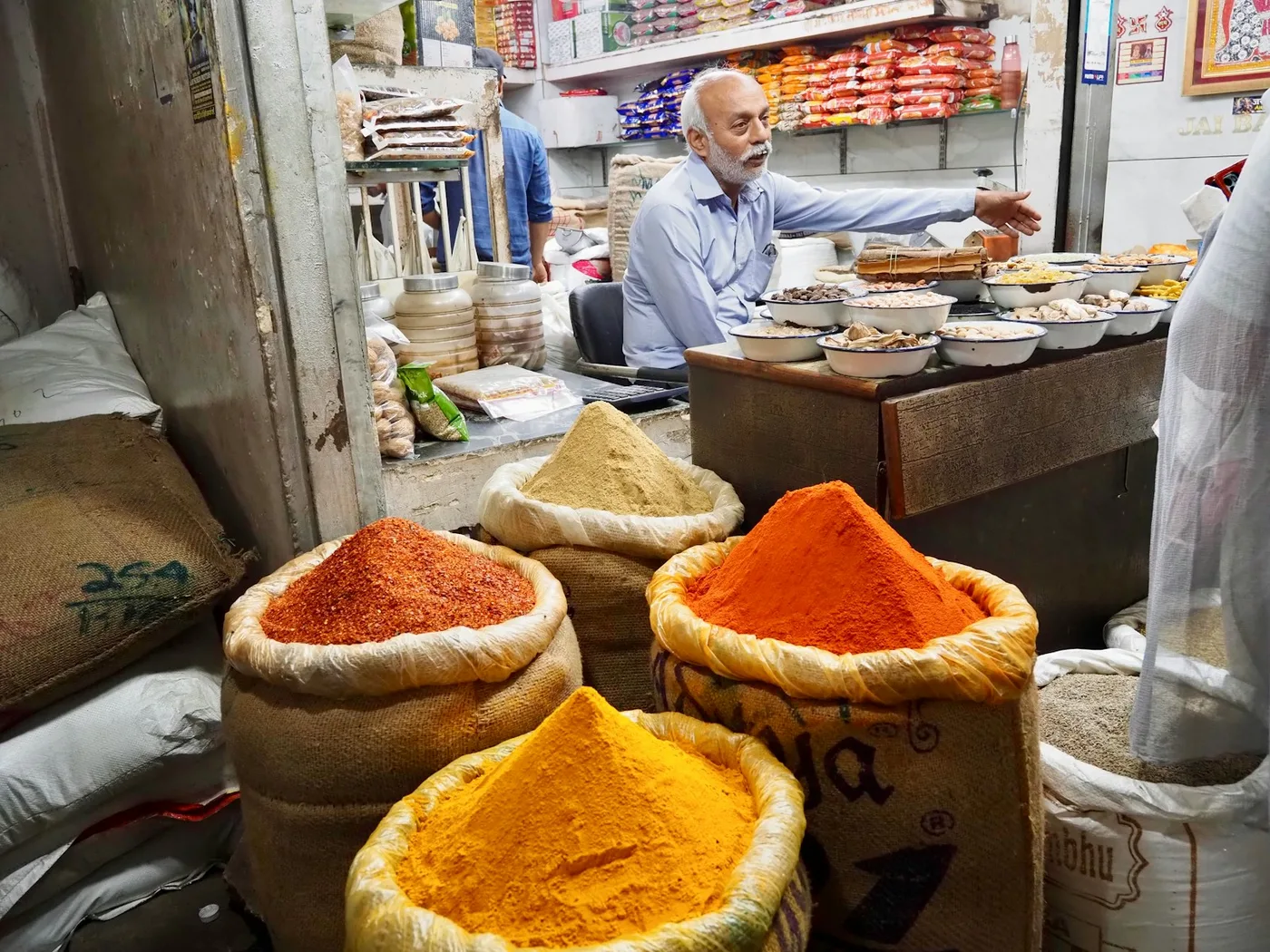 Gastronomy
From spice to table — how food reveals the country's regional diversity.
The lives that paved the way — from William Carey to Pandita Ramabai.